Seven Rules to Using a Credit Card Safely
on March 26, 2024
with No Comments
These are the seven rules to using a credit card safely.
An important part of managing money is budgeting.
We’ve collected blog posts with tips and advice on budgeting and saving money.

These are the seven rules to using a credit card safely.

Now that we’ve been parents for a few months, I can confidently say all of these items vastly improved our journey into parenthood.

A savings waterfall helps investors navigate the financial complexity available to them.
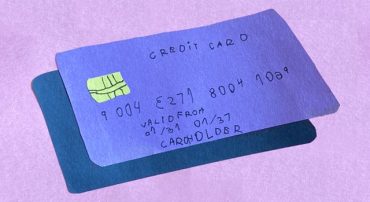
On Tuesday, April 11, 2023, David John Marotta appeared on Radio 1070 WINA’s Schilling Show with Rob Schilling to talk about best practices for using credit cards.
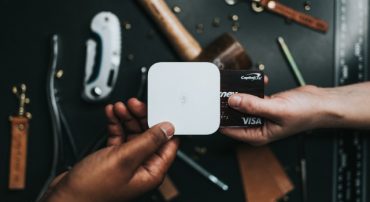
In order for a store credit card to be worth consideration, it should offer cash back of somewhere near 5% and have no annual fee.

I have adopted this card as the primary one in my wallet for groceries and gas.

A savings waterfall is a tool to help investors prioritize savings goals and allocate funds appropriately.

It is perfectly fine for you to underspend your assets. You don’t need my permission, but you have my blessing anyway.

In this article, I am defending the use of self-control in your financial habits.

In this two-part mini-series, we discuss the two sides of learning how to shop more effectively. This time, we discussed how to buy more value by being aware of where you are spending money.
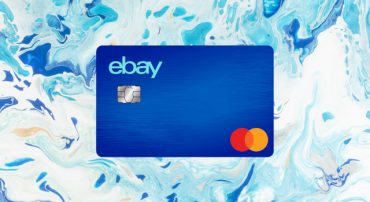
Although this card is an easy way to pay 3% less for an eBay purchase, I won’t be adding it to my wallet since that is its only use.

In this two-part mini-series, we discuss the two sides of learning how to shop more effectively. This week, we talk about how to spend less money.

I decided to see if McDonald’s famous burger was still appreciating faster than the CPI. It has been.

Walking away from tempting purchases is particularly difficult, especially for those who regularly shop, but by training yourself to slow down in your spending, you can concentrate your dollars towards the purchases that create the most joy.

Inflation is like the rain. You must prepare in advance in order to stay dry.

In this podcast, we discuss the hazard of advertising for your budget and how to not fall prey to marketing tactics.
In this podcast, we discuss why spending is the core of your financial plan, how to align your spending with your goals, and how to use Core Values Budgeting to identify budgeting changes.

In this podcast, I discuss my recent article “Account Funding Priorities for 2022” and describe a savings waterfall for 2022. The idea is when new money flows your way, which one of these buckets is it going to land in?

Look at new items with a side eye and think, “Do I really want you here?”
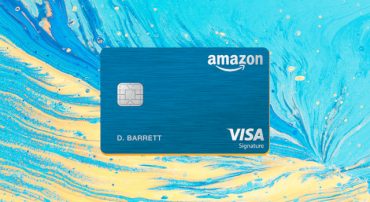
All in all, this card is a fairly easy way to pay 5% less for any Amazon purchase.

These credit cards won’t change your life, and they shouldn’t, but they can get back a very small portion of the money you spend each month.

Which account you should fund depends on your circumstances. However, there are some general guidelines you can follow to make your decision.
By being relentless about turning off marketing, you protect your finances from the poor decisions that advertising inspires.
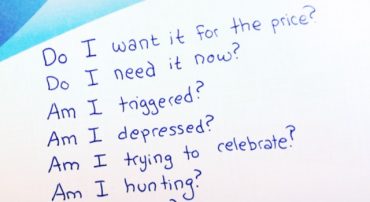
Stopping to think through questions like these will likely help you make smarter decisions with your spending.
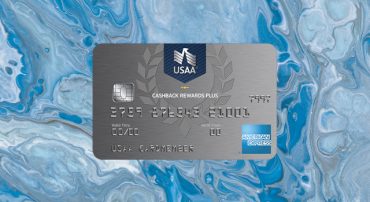
This is a fairly easy way to receive a 5% reward for my gasoline purchases but it does require that you have a family member who served in the military.
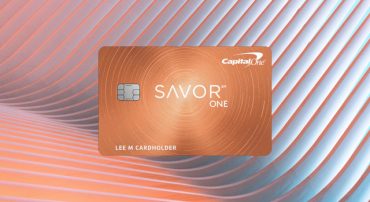
Once set up, the extra rewards may be worth the extra effort.
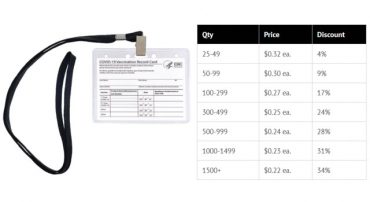
Imagine how much you could save if you could cut all your expenses in half!
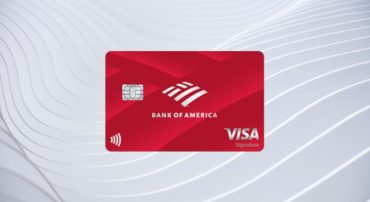
Recently, I signed up for the Bank of America Customized Cash Rewards credit card offering a $200 online cash rewards bonus and 3% cash back in the category of your choice.

Automate your savings. Take manual control of your spending. This is the path to wealth.
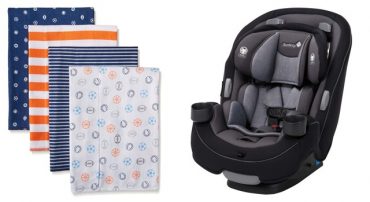
There are many questions that first time moms ask their veteran friends. Among the top list is, what do you really need to care for a baby?

By decoupling your standard of living from the size of your income, you have taken the first step toward financial freedom.
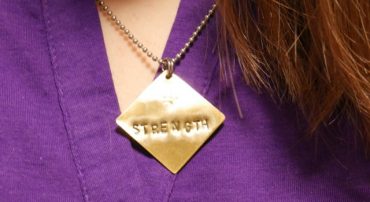
No limp arms. Keep your hands up. Budget for emergencies.

Which account you should fund depends on your circumstances. However, there are some general guidelines you can follow to make your decision.

After trying Instacart again a handful of times, I finally decided that in-person shopping was cheaper and more effective for my family.

Which account you should fund depends on your circumstances. However, there are some general guidelines you can follow to make your decision.

I cannot throw away such a delightful box.
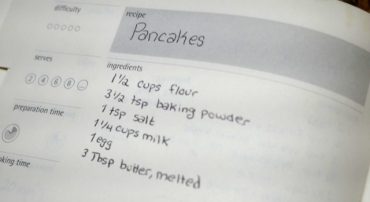
Choosing the right moments to buy convenience with your money brings value to your life.
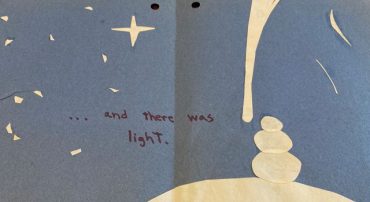
We can gift our loved ones a powerful gift while maintaining a budget.

Who can remember every purchase you made? But remembering is how to keep your purchases reasonable.

The presumption that there is always more fun to be had has a two-fold positive effect on my life.
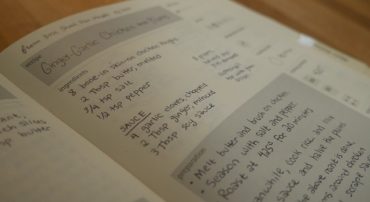
When I was really young, I did not realize that food had a season. What a privilege of our modern era!
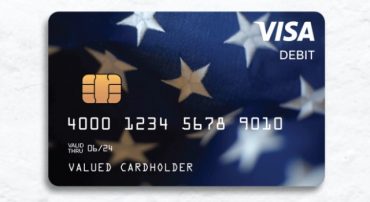
It took me one hour to complete from start to finish. Hopefully, now that I have bumbled my way through it on my own and documented the steps, it takes you less time.

Any amount of difference in cost of living presents a valuable opportunity to reconsider the ways you spend money in order to increase the amount of money you can save.

Financial security is an amazing feeling, so why not live your life knowing you are prepared for life’s expenses and can plan ahead for all your future goals.

From such changes, the millionaire mindset is built and millions are gained.

The thrift of taking care of your things is a wealthy mindset that pays off every year you don’t need to buy a replacement.

The first lesson in learning how to spend is learning how to not.
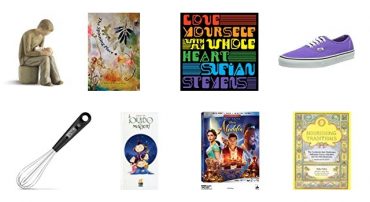
A wishlist is a force of thrift both for you to defer your consumption and for your family and friends to ensure that all the value of their gift makes it to your heart.

When my desires can endure the distance of a week, I buy it.

No matter how small your savings, those small changes have large effects over time.